Her Creative Vision
At the intersection stands the Neltje Center.
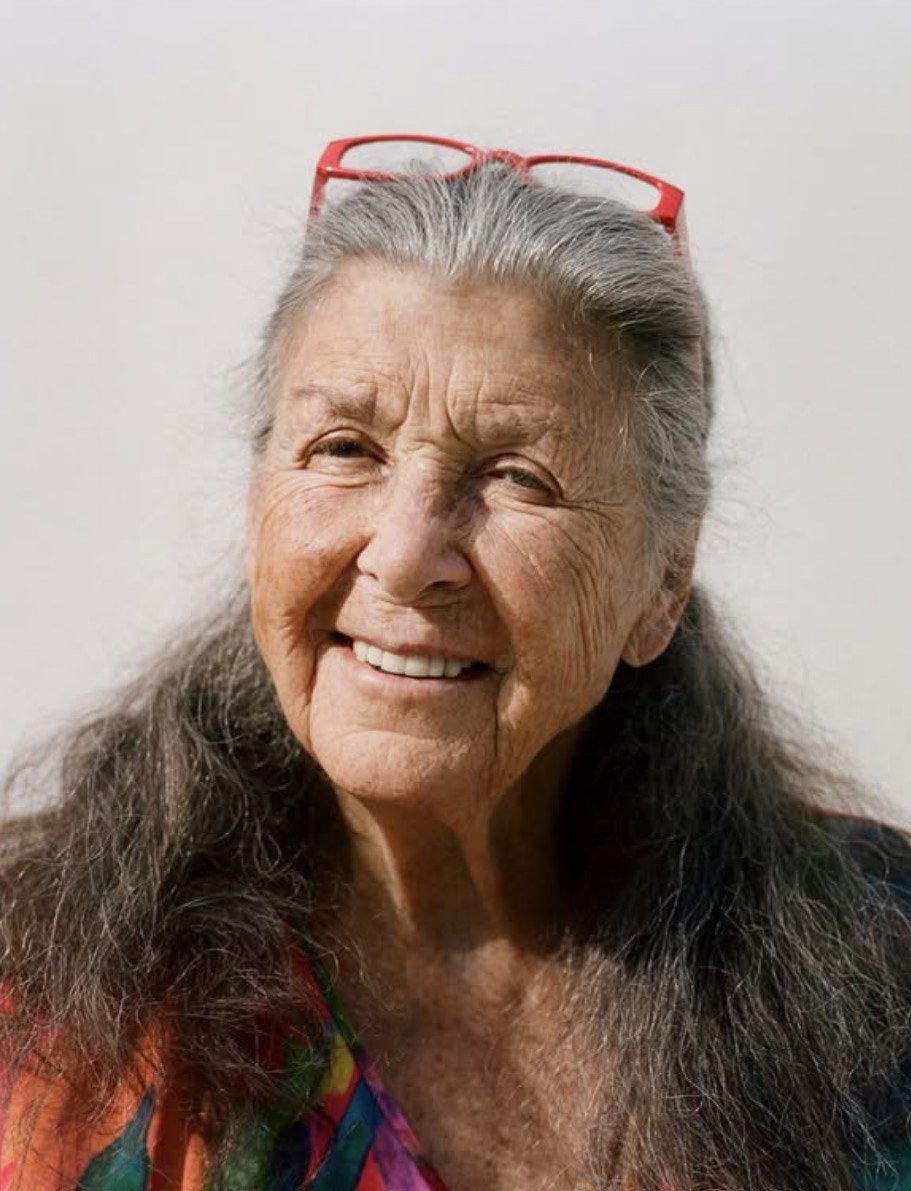
Neltje
The artist Neltje remade her life on a ranch near Sheridan and spent her final decade planning how to share it. Today, through one of the largest estate gifts in University of Wyoming history, her home has become a place where others find their own way.
In the foothills of the Bighorn Mountains stands a house with almost no right angles. Its rooms curve and wander. Archways open onto gardens tended like canvases, and tall windows frame the mountains from nearly every room. Neltje designed it, filled it with her own bold paintings and with art gathered from around the world, and called it home for more than half a century.
Today, that house belongs to the University of Wyoming and to the students, faculty, artists, and neighbors who come there to think, to make, and to dream. It is the heart of the Neltje Center for Excellence in Creativity and the Arts. It exists because of one woman’s remarkable life and because of a relationship with the University of Wyoming that grew, patiently and purposefully, over more than a decade.
Neltje Doubleday was born in New York City in 1934, the daughter of publisher Nelson Doubleday and Ellen McCarter. Her grandfather, Frank Nelson Doubleday, founded the publishing house that bore the family name. She was named for her grandmother, Neltje Blanchan, a celebrated nature writer. She grew up in Oyster Bay, Long Island, among literary luminaries and Manhattan society, and she was expected to take her place as a society matron.
As Neltje recounted in her 2016 memoir, North of Crazy, behind the glamour lay a childhood short on warmth and an early marriage that grew deeply unhappy. In her early thirties, she made the choice that would shape everything that followed. In 1966, she left New York with her two young children and bought a 440-acre ranch on Lower Piney Creek in Sheridan County.
Wyoming gave her what she had been missing—space. She later wrote that the rolling country east of the Bighorns offered something rare and precious, that is simply room to be, to question, and to create.
Neltje didn’t just settle in Wyoming—she invested in it. In 1967, she bought the historic Sheridan Inn, a landmark that had been condemned and was facing demolition, and ran it for the public for nearly two decades. She raised cattle, developed property, and later opened Turned Antiques, a shop brimming with clothing and furnishings from her travels that drew customers from across the state.
All the while, Neltje was becoming an artist. Largely self-taught, she began drawing around age 30 and studied a little at the Art Students League and the New York Studio School. In 1985, she turned her passion into her profession. Her canvases, often monumental and alive with gesture and color, were shown at the Nicolaysen Art Museum, the UW Art Museum, and the Yellowstone Art Museum and entered the collections of the Smithsonian Institution, IBM, and the Wyoming State Museum.
By bringing together diverse perspectives and ways of thinking, we can build on Neltje’s extraordinary legacy.
Scott Turpen
Dean, UW College of Arts and Sciences
In 2005, she received the Wyoming Governor’s Arts Award.
Her generosity reached every corner of Wyoming’s creative life. She served on the Wyoming Arts Council board and endowed two writing awards for Wyoming authors in memory of her grandmother and grandfather. She opened her home to schoolchildren, encouraging them to start collecting whatever moved them—things like feathers, stones, or flowers. She bought work from young artists, knowing how much early support can mean to someone just starting out.
Neltje understood that artists need more than talent—they need uninterrupted time and a place that inspires them. In 2001, she founded the Jentel Foundation and its artist residency on land adjacent to her home within a working ranch of more than 1,000 acres. Since then, Jentel has welcomed more than a thousand visual artists and writers from across the country to experience the same power of Wyoming’s landscape that had once transformed her own life. Jentel became a model for what would come next.
Neltje’s relationship with UW deepened through then-President Tom Buchanan. The two came to know each other well, and over many conversations they imagined how her home, her collections, and her values could live on through Wyoming’s university.
In 2010, as UW celebrated its new Visual Arts Center, Neltje announced an estate gift, one of the largest in UW history. It included her home and studio, the art she had made and collected over a lifetime, land, financial assets, and the partnership with Jentel.
“If ever there was tangible evidence of the power of philanthropy, it is this gift,” Buchanan said at the time. “We cannot thank Neltje enough for her vision and her commitment to the university and to the arts in Wyoming.”
What followed was a relationship sustained across years and leadership changes. Her story is a reminder that the most transformational gifts often grow from trust built slowly, one conversation at a time. Neltje died peacefully at her ranch the spring of 2021 at age 86.
Then, in 2022, UW launched the Neltje Center for Excellence in Creativity and the Arts within the College of Arts and Sciences. Executive Director Beth Venn joined in 2023.
“Neltje gave the University of Wyoming something few universities possess—a remarkable place where creativity and discovery can develop beyond the boundaries of a traditional campus,” says Scott Turpen, dean of the College of Arts and Sciences. “We envision the Neltje Center as a place where students, faculty, artists, business leaders, entrepreneurs, and others come together across disciplines to address grand challenges, inspire innovation, and transform creative ideas into meaningful opportunities.”
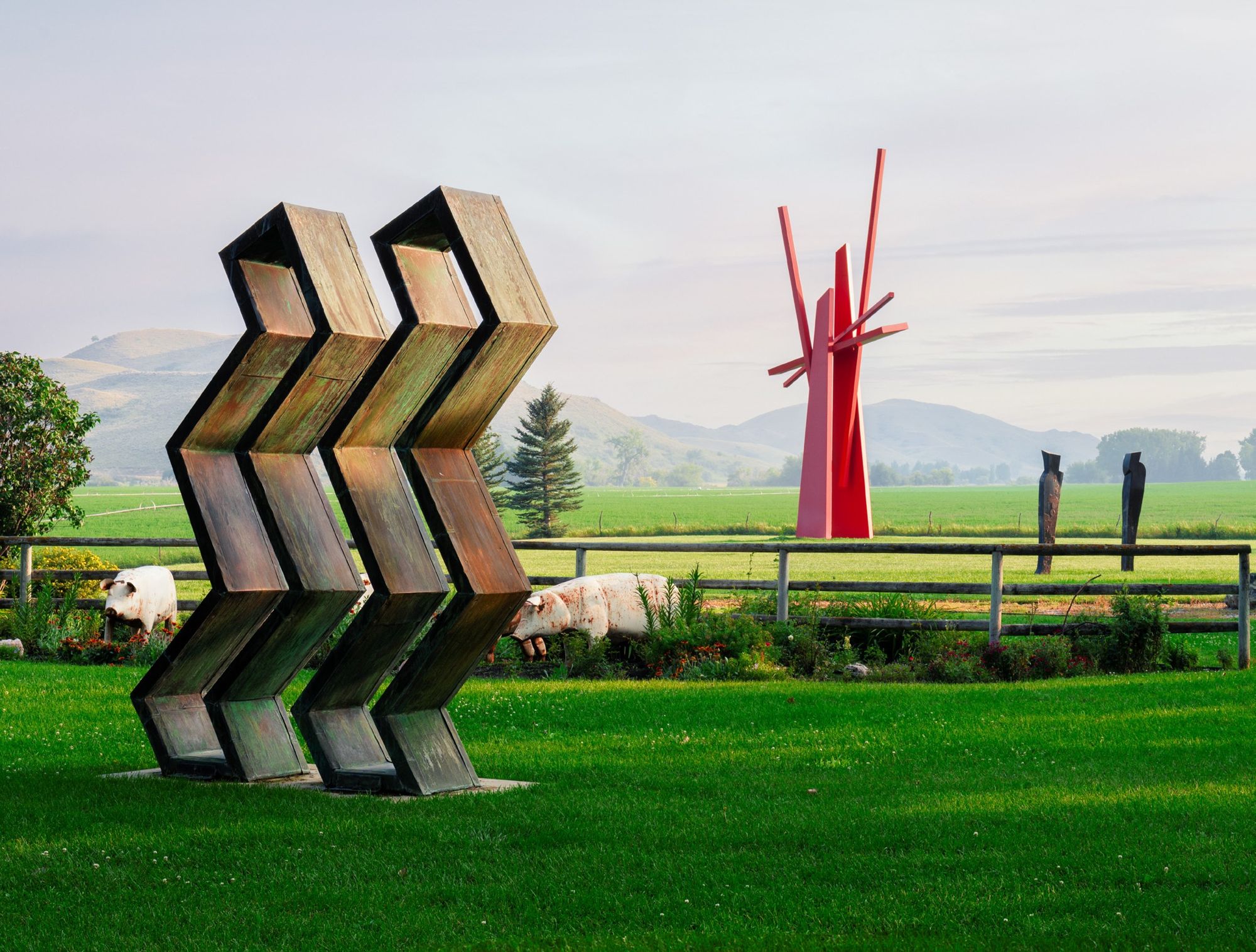
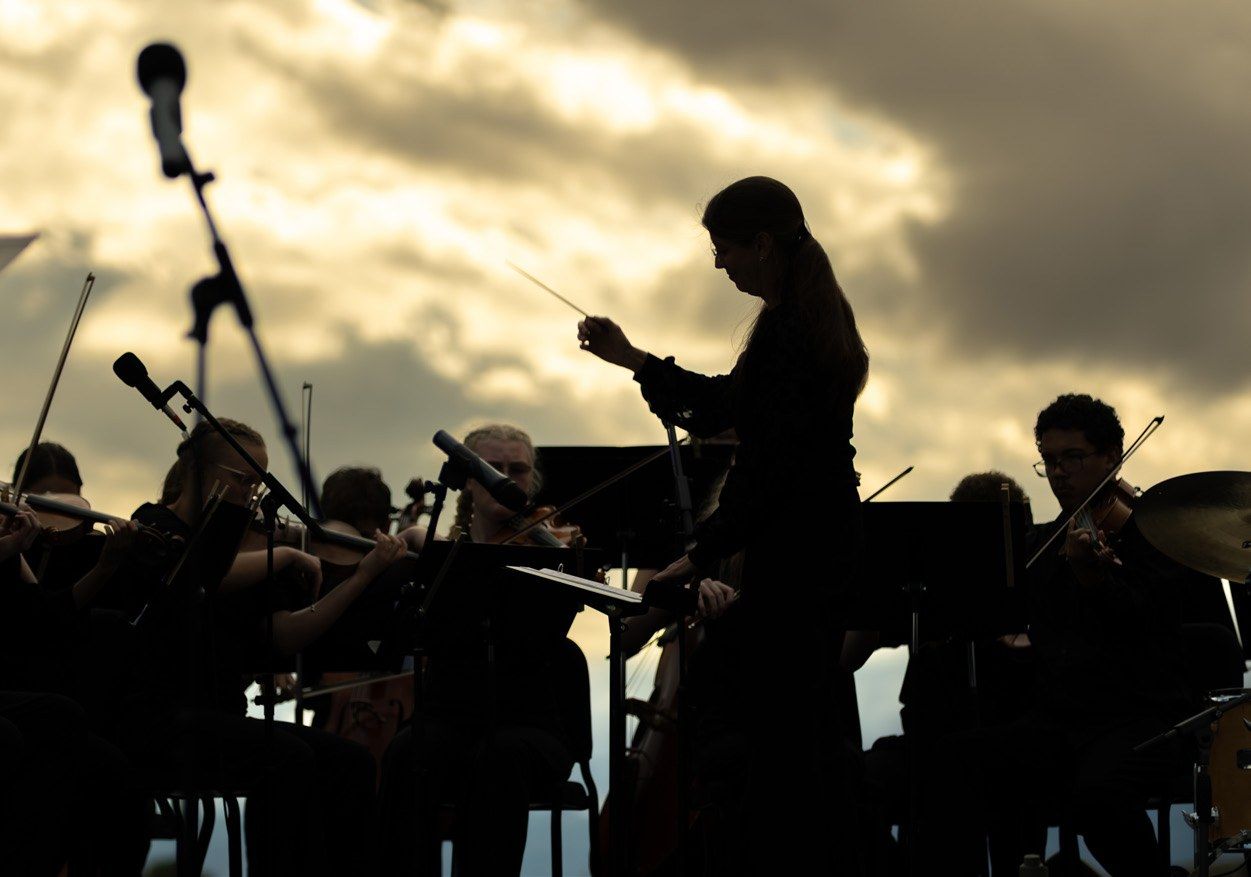
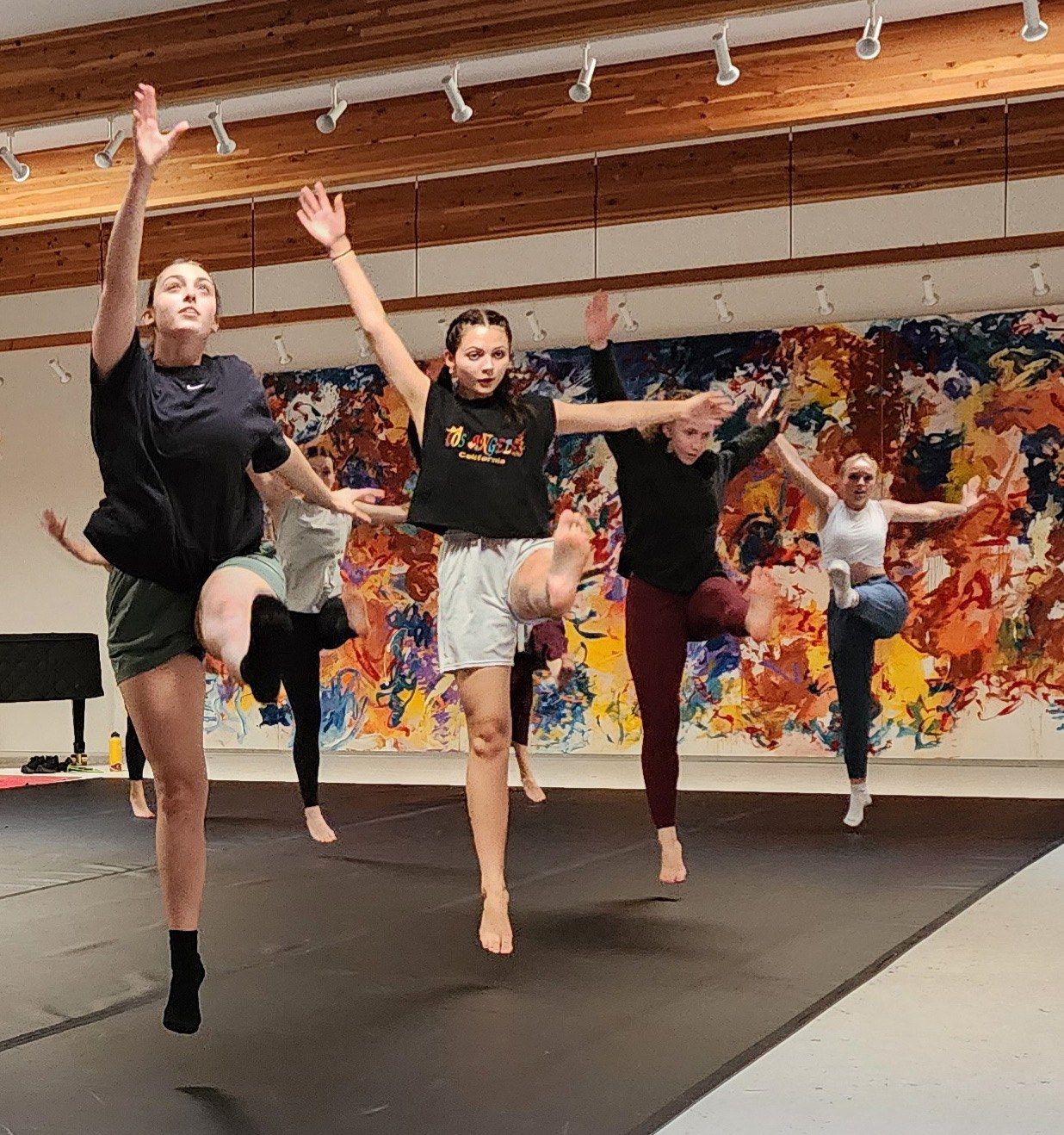
Today, Neltje’s home is a 15,000-square-foot sanctuary of studios, a gallery, gathering rooms, overnight accommodations, gardens, and sculpture walks. Professors bring students for intensive stays of several days, in fields ranging from philosophy and history to music, theater, and dance. The UW Chorale has filled her rooms with song. Faculty workshops held there have helped bring new grant funding to the university.
Those who come struggle to put the experience into words. Visitors often say, “You simply can’t describe it.” Students find confidence and belonging. Artists rediscover inspiration.